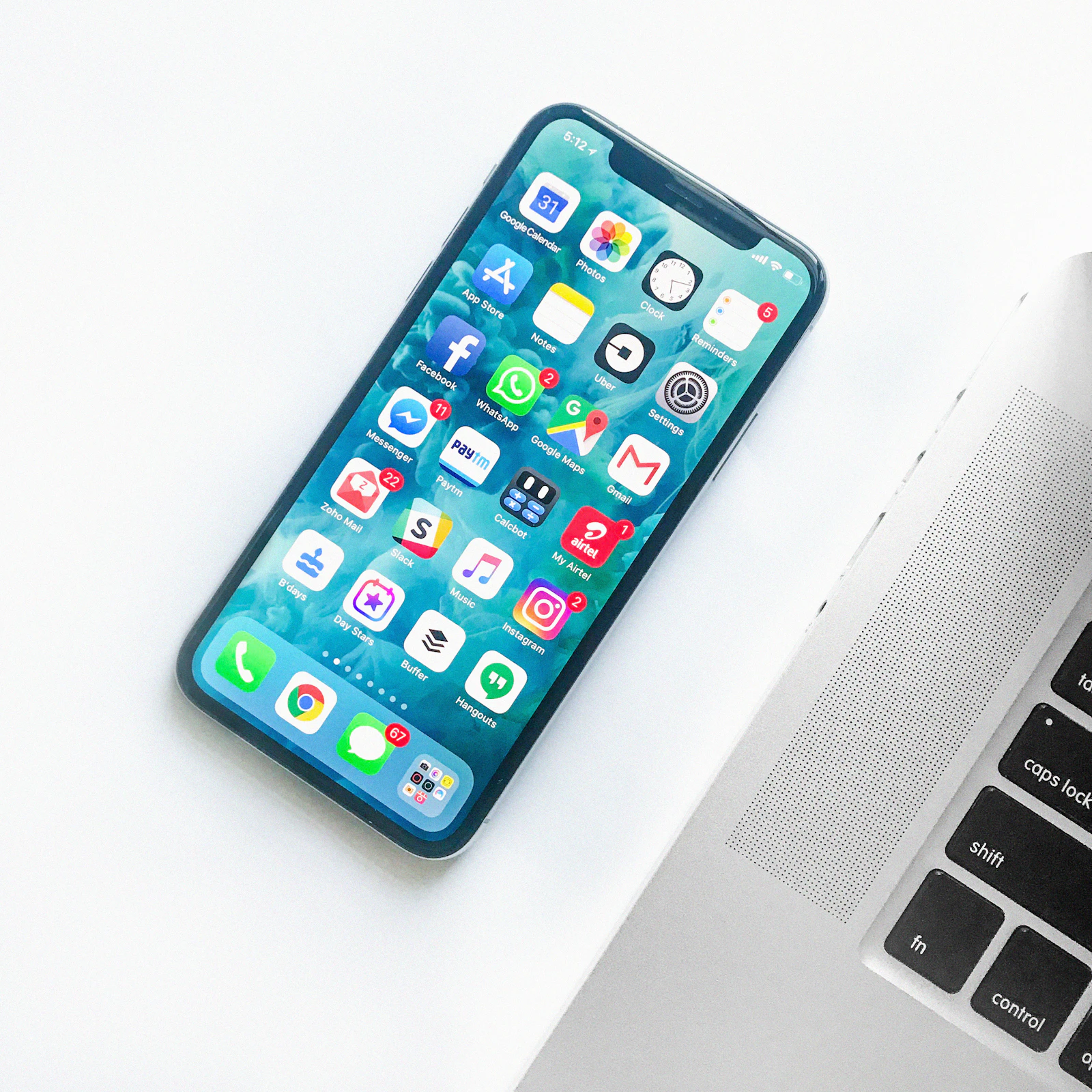
The executive's reality is simple: most decisions are not made at a desk. The regional manager is in the car, the operations lead is in the warehouse, the owner is at the airport. Meanwhile the report screen sits open on an office computer. If data is not with you at the moment of decision, the decision is either delayed or made on instinct.
A mobile app solves the first half of the problem: cockpits fit in the pocket and filter with a tap. But the real breakthrough happens in the messaging channel. WhatsApp is already on everyone's phone, nobody needs training, the learning curve is zero. Bringing data to where people already are beats moving people to yet another app, every time.
A digital assistant built on the official WhatsApp Cloud API behaves like a contact in your phone book. You type 'today's revenue?' and within seconds the number arrives, with its chart and, when needed, its file. You ask in natural language; the assistant builds the query and answers from real data within your permissions.
The best part is that you do not even have to ask. With scheduled digests, the assistant drops the day's snapshot into the chat every morning at 9:00: yesterday's revenue, where you stand against target, which branch carries risk. You start the day having read the report, not waiting for it.
On security, the rule does not bend: every question arriving from WhatsApp passes through the same role-based permission layer. The regional manager sees only their region, and every query lands in the audit trail. The channel changes; the permission model does not.
If you want to measure the success of this approach, watch a single metric: adoption. How many people log into the report portal per month, versus how many questions are asked over WhatsApp per day? In field-heavy teams the second number overtakes the first within weeks. People do not change their habits; well-designed systems settle into them.